0% VAT on heat pumps, solar and insulation ends on 31 March 2027
From 1 April 2027, VAT on installing heat pumps, solar panels, batteries and insulation goes from 0% to 5%. What it adds to a typical quote and how to plan.
Numbers checked against official sources on 7 October 2026
In 30 seconds
- Installing heat pumps, solar panels, home batteries, insulation and heating controls in a home is zero-rated for VAT until 31 March 2027.
- From 1 April 2027 the rate goes back to the reduced rate of 5%, according to HMRC.
- On a typical £13,000 heat pump installation, 5% VAT would add around £650. On a £10,000 solar and battery system, around £500.
- The industry is campaigning for an extension, but no extension has been announced.
Since 2022, people installing energy-saving equipment in their homes have paid no VAT on it. That relief has an end date written into HMRC’s guidance: 31 March 2027. Here is what is covered, what it will add to a quote afterwards, and how to plan around the deadline.
On this page
What changes on 1 April 2027
HMRC’s VAT Notice 708/6 says the zero rate applies to installing certain energy-saving materials from 1 May 2023 to 31 March 2027, and that from 1 April 2027 they return to the reduced rate of 5%. In other words, the relief does not disappear completely: it drops from 0% to 5%, not to the standard 20%.
The zero rate in Great Britain actually started on 1 April 2022. Northern Ireland followed on 1 May 2023. Both end on the same date.
What is covered
The relief applies when a business supplies and installs these in residential accommodation (and, since February 2024, in buildings used solely for a relevant charitable purpose):
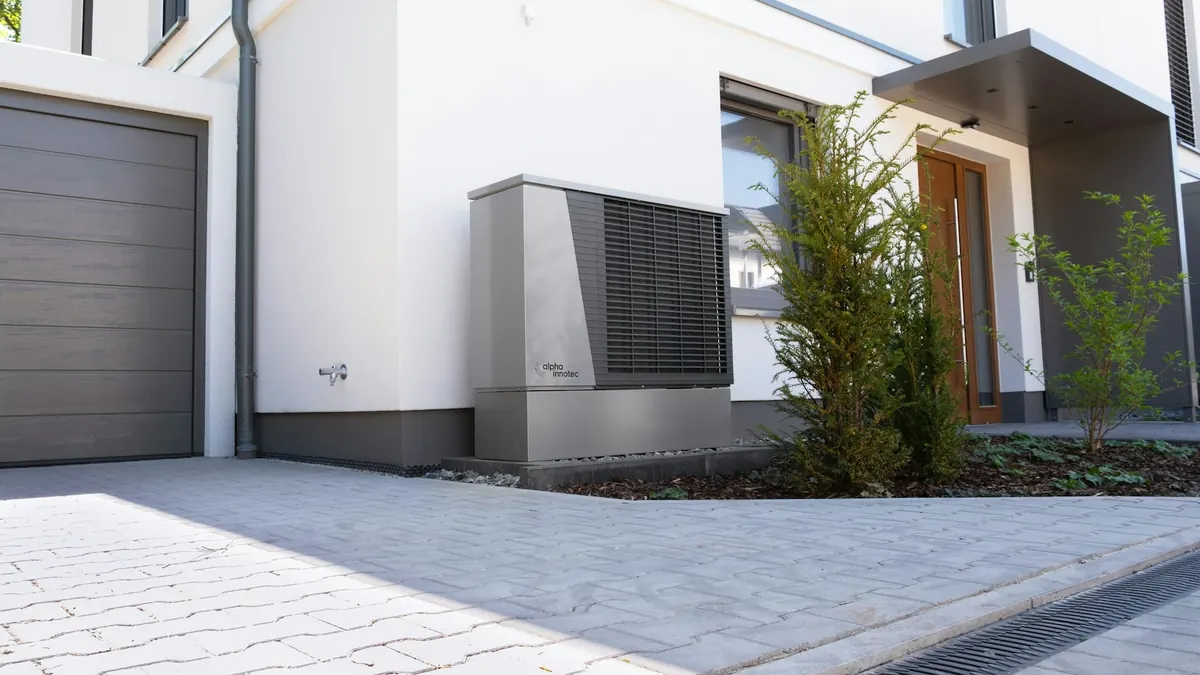
- air source, ground source and water source heat pumps, including the groundworks for ground and water source systems;
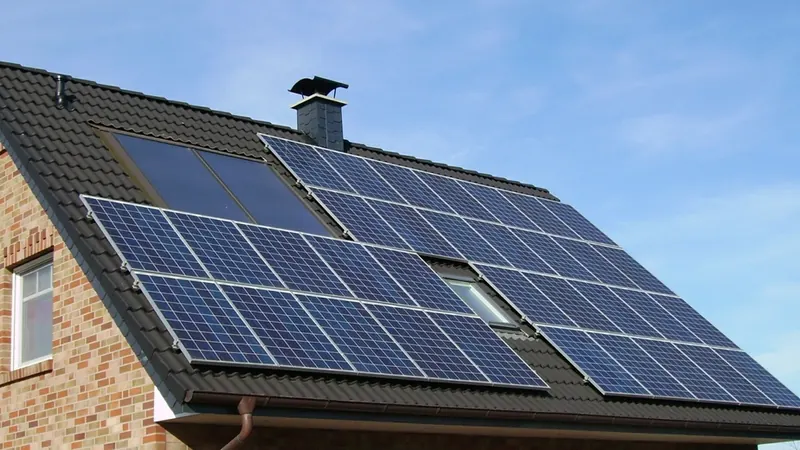
- solar panels (PV and solar thermal), with their cabling and inverter;
- batteries that store electricity, whether from solar panels or from the grid;
- insulation for walls, floors, roofs, lofts, tanks and pipes, and draught stripping;
- controls for central heating and hot water, such as thermostats, timers and thermostatic radiator valves;
- wind and water turbines, micro combined heat and power units, wood-fuelled boilers and smart diverters.
What is not covered
- Buying the kit without installation. HMRC says a retailer selling energy-saving materials without installing them charges standard-rate VAT.
- Gas and oil boilers, double glazing, low-emissivity glass and efficient appliances. These are standard-rated (a reduced rate can apply to some grant-funded jobs for qualifying people).
- Insulation fitted as part of building an extension. The extension is the main supply, so the whole job is standard-rated.
One useful detail: HMRC says a central heating system built around a heat pump, with radiators, pipes and controls, counts as a single zero-rated supply. You should not see VAT on the radiators fitted as part of a heat pump installation today.
What 5% adds to a typical quote
| Job | Example price at 0% VAT | VAT at 5% | Price at 5% |
|---|---|---|---|
| Air source heat pump (median installation) | £13,041 | £652 | £13,693 |
| Solar panels and battery | £10,000 | £500 | £10,500 |
| Solar panels only | £6,000 | £300 | £6,300 |
| Loft insulation | £1,000 | £50 | £1,050 |
Work out the VAT on your own quote
For a heat pump, how VAT interacts with the £7,500 grant is something your installer’s quote should spell out. Ask them to show the VAT line both before and after 1 April 2027 if your job could slip past the deadline.
Timing: which date counts?
VAT is charged according to the “tax point” of a supply, which is usually when you pay or when you are invoiced, whichever comes first. A deposit paid in March and a final invoice in April can therefore fall either side of the change. This is a technical area, so:
- ask your installer in writing how they will treat deposits and the final invoice if work runs past 31 March 2027;
- don’t pay more upfront than you are comfortable with just to beat the deadline;
- remember the bigger number: for oil and LPG homes, the £9,000 heat pump grant also ends on 31 March 2027, falling back to £7,500.
Expect a rush. When the old Domestic Renewable Heat Incentive closed on 31 March 2022, heat pump installations spiked in the months before (pv magazine). Installers can book up weeks ahead in late winter, and a heat pump needs a survey and design before it is fitted. If you want to beat 1 April 2027, get quotes in the autumn.
Will the zero rate be extended?
Nothing had been announced when we checked on 7 October 2026. The MCS Foundation, a charity linked to the installer certification body, is campaigning for an extension to at least 2030. It points out that monthly certified installations tripled after the zero rate began, from around 10,000 in April 2022 to over 30,000 by late 2025. An extension would normally be announced at a Budget or fiscal event. We will update this page if that happens.
Is a heat pump worth it before the deadline? Start with what it really costs.
Heat pump prices in 2026Frequently asked questions
Will VAT on heat pumps go up to 20% in 2027?
No. HMRC says installations of energy-saving materials will revert to the reduced rate of 5% from 1 April 2027, not the standard 20%.
Does 0% VAT apply if I buy solar panels online and fit them myself?
No. The relief applies to the installation, or to materials supplied by the person who installs them. Goods bought from a retailer without installation are standard-rated.
Are home batteries covered by 0% VAT?
Yes, since 1 February 2024, including a standalone battery that stores electricity from the grid, when it is installed in a home.
Is double glazing zero-rated?
No. HMRC lists double and secondary glazing among the products that are standard-rated.
Does the end of 0% VAT affect Scotland and Northern Ireland?
Yes. VAT is UK-wide, and HMRC’s notice gives the same end date for Great Britain and Northern Ireland.