Smart Export Guarantee rates 2026: who pays most for your solar
SEG export rates range from 2p to 20p per kWh. Every major tariff compared, what the conditions mean and how to choose the best deal for your solar panels.
Numbers checked against official sources on 7 October 2026
In 30 seconds
- The Smart Export Guarantee (SEG) makes larger energy suppliers pay you for solar electricity you send to the grid.
- Rates vary hugely: from 2p to 20p per kWh in Uswitch’s July 2026 comparison. Some install-and-supply deals go up to 25p.
- The best rates usually require you to buy your electricity from the same supplier. Standalone tariffs pay about 2p to 6p.
- To qualify you need an MCS certificate and a smart meter that records half-hourly exports.
If you have solar panels, the electricity you don’t use goes to the grid. Under the Smart Export Guarantee you can get paid for it, but how much depends entirely on which tariff you choose, and the difference between the best and worst deals can be ten times. Here is how SEG works, the current rates and how to pick one.
On this page
How the Smart Export Guarantee works
The SEG is an Ofgem scheme that requires larger electricity suppliers to offer a tariff paying small generators for each kWh they export. It covers solar panels, wind, hydro and anaerobic digestion up to 5 MW, and micro combined heat and power up to 50 kW (Uswitch).
Suppliers must pay something, but they set their own rates and terms. That is why the market ranges from a token 1p or 2p up to 20p or more.
To qualify you need:
- an MCS certificate showing the panels and installation meet the standards;
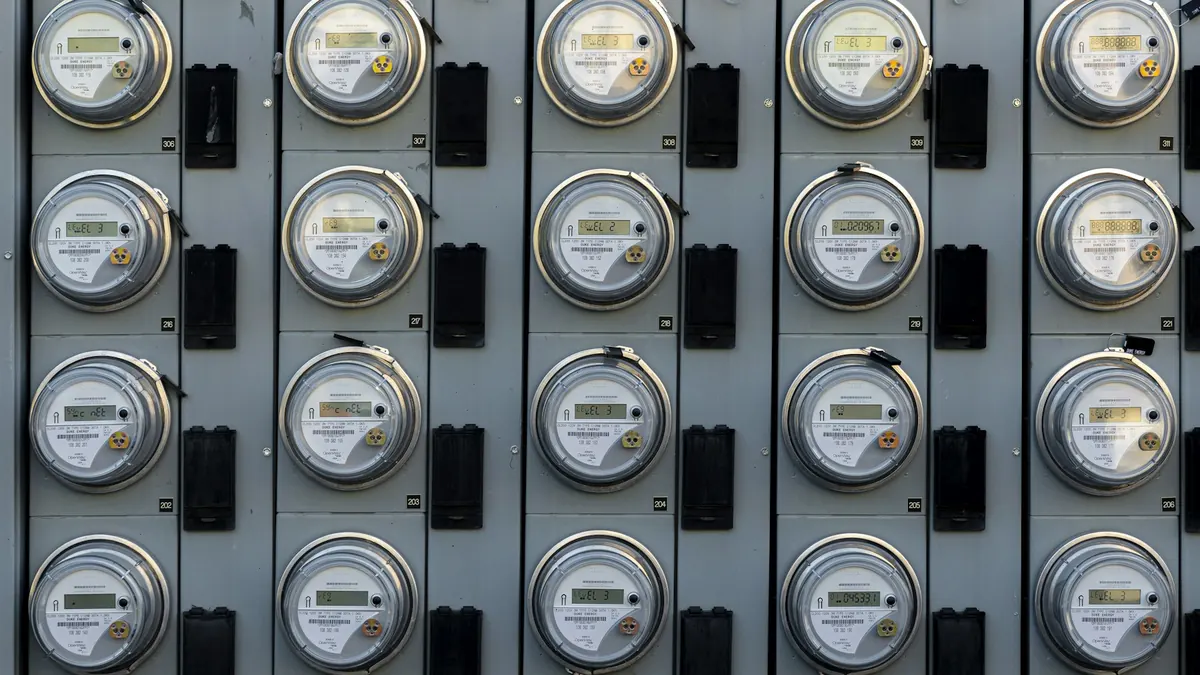
- a smart meter able to take half-hourly readings, so the supplier can measure what you export.
Current SEG rates
These are the rates listed by Uswitch, correct as of 15 July 2026. Rates change often, so check the supplier’s site before you switch.
| Supplier and tariff | p per kWh | Fixed or variable | Condition |
|---|---|---|---|
| So Energy, So Bright Export | 20p | Fixed | Must also buy electricity from them |
| Ecotricity, Smart Export Tariff | 16p | Variable | Must also buy electricity from them |
| EDF Energy, Export 12m | 15p | Fixed | Must also buy electricity from them |
| Good Energy, Solar Savings | 15p | Variable | Must also buy electricity from them |
| E.ON Next, Next Export Exclusive v3 | 13p | Fixed | Must also buy electricity from them |
| British Gas, Export Premium | 12p | Variable | Must also buy energy from them |
| Octopus Energy, Outgoing | 12p | Variable | Must also buy electricity from them |
| OVO Energy, SEG Beyond Exclusive | 12p | Fixed | Must also buy electricity from them |
| ScottishPower, SmartGen Premium | 12p | Variable | Must also buy electricity from them |
| E.ON Next, Next Flex Export v1 | 6p | Fixed | Standalone |
| ScottishPower, SmartGen | 6p | Variable | Standalone |
| So Energy, So Export Flex | 4.5p | Variable | Standalone |
| Octopus Energy, Smart Export Guarantee Tariff | 4.1p | Fixed | Standalone |
| OVO Energy, SEG | 4p | Fixed | Standalone |
| British Gas, Export SEG | 3p | Variable | Standalone |
| E, SEG Tariff | 3p | Variable | Standalone |
| EDF Energy, SEG Export Variable | 3p | Variable | Standalone |
| Utilita, Smart Export Guarantee | 3p | Fixed | Standalone |
| Utility Warehouse, SEG Standard | 2p | Variable | Standalone |
Even higher rates exist for people who buy their panels or battery from the supplier. Solar Energy UK’s league table, updated in May 2026, listed install-exclusive tariffs such as Good Energy’s at 25p and OVO’s at 20p (Solar Energy UK). Time-of-use export tariffs, which pay more at peak times, can also beat flat rates if you have a battery.
What the rate is worth in pounds
The sum is simple: kWh exported × rate. For every 1,000 kWh you export in a year:
| Export rate | Earned per 1,000 kWh |
|---|---|
| 2p (lowest standalone) | £20 |
| 4.1p (typical standalone) | £41 |
| 12p (common supply-linked rate) | £120 |
| 20p (best rate in the July comparison) | £200 |
How much you export depends on your system and your habits. Our solar calculator estimates it for your region. Your installer’s generation estimate and your smart meter data give you a starting figure.
How to choose a tariff
- Compare the whole bill, not just the export rate. A 15p export rate is no good if the supplier’s import tariff costs you more than you gain. Work out the year’s cost of buying electricity plus what you earn from exporting.
- Using your own solar beats exporting it. Each kWh you use yourself saves the full import price, about 26p at the October 2026 price cap. Even the best export rate is lower. Running the washing machine or charging an electric car in the middle of the day pays.
- Fixed or variable? A fixed rate gives certainty for a set period; a variable rate can change at short notice, up or down.
- Check the payment frequency, monthly, quarterly or yearly, and whether payment is credit on your bill or cash.
- Have your MCS certificate and meter details ready. Suppliers need them to register you.
Thinking about panels? See what a typical system costs and how long it takes to pay back.
Solar panel costsFrequently asked questions
What is the best Smart Export Guarantee rate?
In Uswitch’s July 2026 comparison the highest was So Energy’s So Bright Export at 20p per kWh, which requires you to buy your electricity from them. Some install-exclusive deals pay more.
Can I get SEG payments without switching supplier?
Yes, with a standalone tariff, but those pay much less, about 2p to 6p per kWh in the July 2026 comparison.
Do I need a smart meter for the Smart Export Guarantee?
Yes. Suppliers need a meter that records half-hourly exports to measure and pay for what you send to the grid.
Do I need an MCS certificate to get paid for exporting?
Yes. The SEG requires an MCS certificate showing the panels and installation meet the standards.
Is it better to export or use my solar electricity?
Usually to use it. Each kWh you use yourself saves around 26p at the October 2026 price cap, more than any export rate in the July 2026 comparison.