Why is my energy bill so high? 9 things to check
Prices rose on 1 October, winter usage, estimated readings and Direct Debits are the usual causes. Nine checks, the 12-month back-billing rule and where to get help.
Numbers checked against official sources on 7 October 2026
In 30 seconds
- The most common reasons are higher prices (the cap rose 4% on 1 October 2026, with gas up about 8%), winter usage, estimated readings and a Direct Debit set at the wrong level.
- Check your bill against your own meter readings first. Many “shock” bills are catch-ups after months of estimates.
- If a bill covers energy used more than 12 months ago that you were never correctly billed for, Ofgem’s back-billing rule usually means you don’t have to pay that part.
- If you are struggling, contact your supplier early. The Warm Home Discount (£150) reopens for winter 2026–27.
An energy bill that suddenly jumps is stressful, especially at the start of winter. Sometimes the cause is simply higher prices and colder weather. Often it is something you can fix: a missed meter reading, a Direct Debit that was set too low, or a tariff that changed when a fixed deal ended. Work through these nine checks in order.
On this page
- 1. Prices went up on 1 October
- 2. It’s winter
- 3. Your bill is based on estimates
- 4. You’ve been sent a bill for old usage
- 5. Your Direct Debit is too low, or too high
- 6. Your fixed deal ended
- 7. Standing charges add up
- 8. Something is using more energy
- 9. The meter or bill is wrong
- If you can’t pay
- How to complain
- Frequently asked questions
- Sources
1. Prices went up on 1 October
The Ofgem price cap rose 4% for October to December 2026, to £1,723 a year for a typical home paying by Direct Debit. Ofgem says almost all of the increase is gas, with gas bills up about 8%, while electricity stayed broadly stable because VAT was removed (Ofgem). If you heat with gas, expect your bill to be noticeably higher this quarter even if your usage is the same. See the current rates.
2. It’s winter
Heating is the biggest part of most bills, so the same home can use several times more gas in January than in July. A bill that covers October to December will be much higher than one covering the summer, at the same prices. Compare with the same quarter last year, not the last bill.
3. Your bill is based on estimates
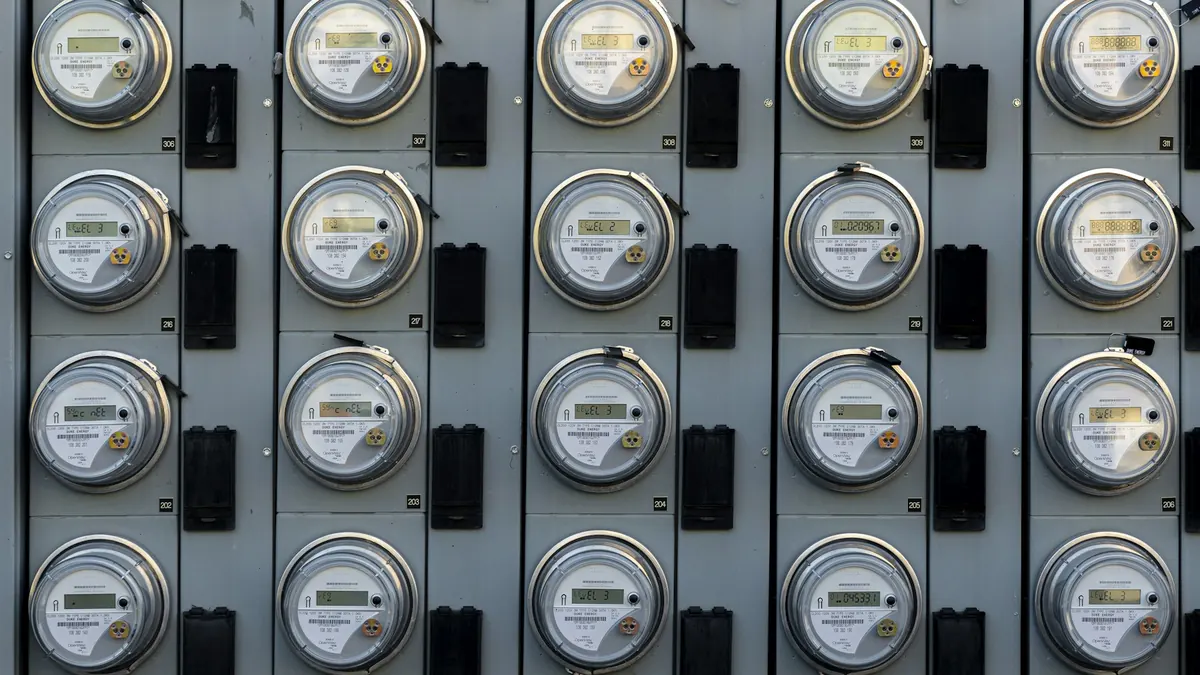
Look for an “E” or the word “estimated” next to the readings. If your supplier has guessed too low for months, the first actual reading brings a catch-up bill for everything you really used. The fix:
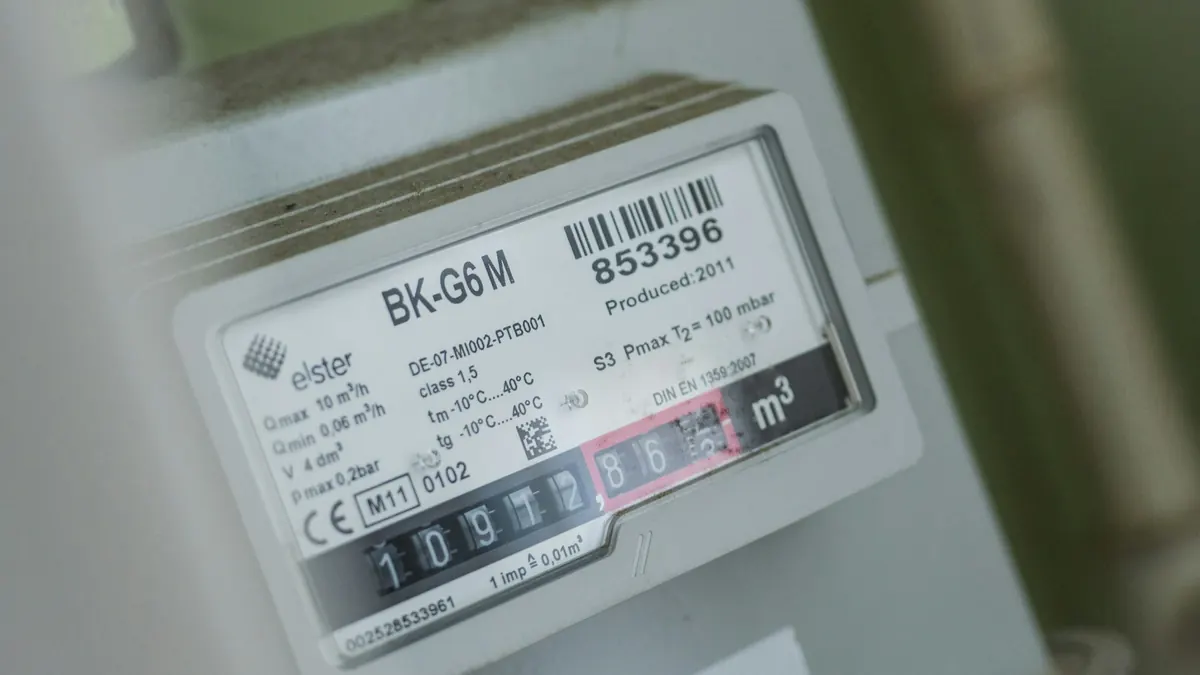
- take a photo of your meter and submit the reading through your supplier’s app or website;
- ask for a revised bill based on the actual reading;
- if you have a smart meter that isn’t sending readings, report it so the supplier can fix it.
4. You’ve been sent a bill for old usage
Ofgem’s back-billing rule says you generally don’t have to pay for energy used more than 12 months ago if you weren’t correctly billed for it before, weren’t told what you owed, or your Direct Debit was set too low by the supplier. It doesn’t apply if you acted unreasonably, for example by refusing access to your meter or ignoring requests to pay (Ofgem).
5. Your Direct Debit is too low, or too high
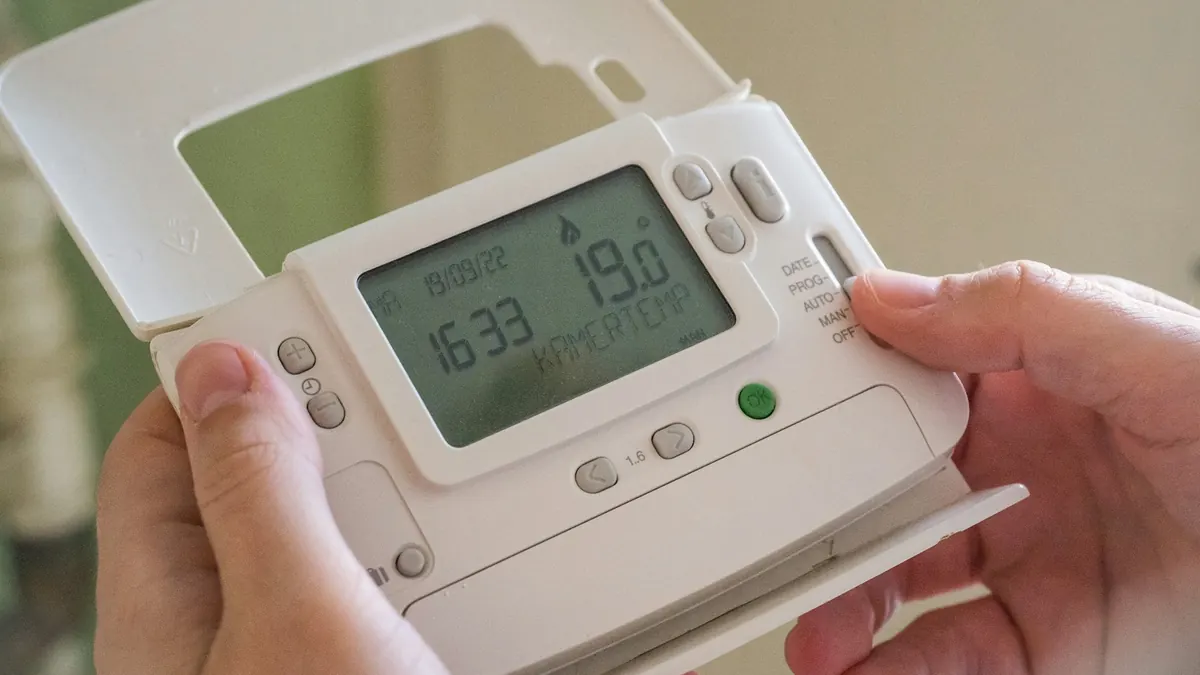
A Direct Debit spreads your annual cost over 12 months. If it was set too low, you build up debt in winter and the supplier raises the payment. If it is far too high, you build up credit. Check your account balance and annual usage, and ask the supplier to recalculate the payment from actual readings. You can usually ask for credit to be refunded.
6. Your fixed deal ended
If your fixed tariff ended and you didn’t pick a new one, you have probably moved to your supplier’s standard variable tariff, which follows the price cap. Check your current unit rates on your bill or app. Our guide to fixed vs variable tariffs shows how to compare deals.
7. Standing charges add up
You pay a daily standing charge for each fuel even if you use nothing. At the October 2026 average Direct Debit rates that is 54.83p a day for electricity and 29.68p for gas, about £308 a year together. Standing charges vary by region. A home with low usage can find standing charges are a large share of the bill.
8. Something is using more energy
A new household member, working from home, an electric heater, a hot tub or a faulty appliance can all add up. The Energy Saving Trust estimates, for example, that switching appliances off standby saves about £45 a year and avoiding the tumble dryer about £50. See our list of ways to cut bills this winter.
9. The meter or bill is wrong
Check that the meter serial number on the bill matches your meter, that readings go up in a sensible way, and that you aren’t being billed for a neighbour’s meter. If something looks wrong, contact the supplier with photos of your meter.
Work out what your bill should be. Our price cap guide shows the formula with the current rates.
Check your billIf you can’t pay
- Contact your supplier as soon as possible. Ofgem urges anyone struggling to do this first; suppliers should agree affordable repayment plans and point you to support.
- Warm Home Discount: a £150 discount on your electricity bill for eligible households, usually applied automatically. GOV.UK says the scheme reopens in October 2026 for winter 2026 to 2027 (GOV.UK).
- Priority Services Register: free extra support from your supplier and network if you need it, for example because of age, disability, illness or young children. Ask your supplier to add you.
- Free advice: Citizens Advice in England and Wales, and energyadvice.scot in Scotland, both recommended by Ofgem.
How to complain
Complain to your supplier first, explaining what is wrong and what you want them to do, with evidence such as meter photos. Ofgem says that if the complaint isn’t resolved within 8 weeks, or the supplier sends a “deadlock” letter, you can take it to the Energy Ombudsman, free of charge, which usually decides within 6 weeks (Ofgem).
Frequently asked questions
Why has my energy bill doubled?
The usual causes are winter usage, a catch-up after estimated readings, a Direct Debit that was set too low, or a fixed deal ending. Submit an actual meter reading and ask for a revised bill first.
Do I have to pay a back bill?
Not for energy used more than 12 months ago if you weren’t correctly billed for it, under Ofgem’s back-billing rule, unless you acted unreasonably, for example by blocking meter access.
How much are standing charges a year?
At the October–December 2026 average Direct Debit rates, about £200 for electricity and £108 for gas, around £308 in total. They vary by region.
When does the Warm Home Discount open?
GOV.UK says the scheme reopens in October 2026 for winter 2026 to 2027. Eligible households usually get the £150 automatically.
How long does a supplier have to fix a complaint?
Eight weeks. After that, or after a deadlock letter, you can go to the Energy Ombudsman for free.