How to cut your energy bills this winter: the changes that pay
Ten changes from the Energy Saving Trust could save up to £313 a year, plus cheaper tariffs and the help you might be missing. Ranked by saving.
Numbers checked against official sources on 7 October 2026
In 30 seconds
- Ten everyday changes recommended by the Energy Saving Trust could save a typical home up to £313 a year in Great Britain.
- The biggest single habits: draught-proofing (£55), avoiding the tumble dryer (£50), switching off standby (£45), shorter showers (£45) and a cylinder jacket (£45).
- Check your tariff: Ofgem said fixed deals were available at £100 or more below the October 2026 cap.
- Claim what you are owed: the £150 Warm Home Discount reopens for winter 2026–27.
Energy prices rose again on 1 October 2026, and forecasts point to another rise in January. You can’t control the price cap, but you can control how much you use and what you pay per unit. These are the changes with the best value for effort, with the savings estimated by the Energy Saving Trust, the government-funded advice body, plus the money you might be leaving on the table.
On this page
Ten changes and what they save
| Change | Estimated saving a year (GB) |
|---|---|
| Draught-proof windows and doors | £55 |
| Dry clothes on a rack instead of a tumble dryer | £50 |
| Switch appliances off standby | £45 |
| Keep showers to four minutes | £45 |
| Insulate your hot water cylinder | £45 |
| Don’t overfill the kettle, and fit a tap aerator | £30 |
| Wash clothes at a lower temperature, and less often | £26 |
| Only run the dishwasher when it’s full | £10 |
| Swap one bath a week for a shower | £10 |
| Turn off lights you aren’t using | £7 |
| All ten together | up to £313 |
The savings depend on your home and habits, and they don’t simply add up for every household: if you never use a tumble dryer, that £50 isn’t available to you. Pick the ones that match how you live.
Draught-proofing: the best value for money
Draughts let warm air out and cold air in, and they make a room feel colder than the thermostat says. Self-adhesive strips for doors and windows, a brush strip or letterbox flap, a chimney balloon in an unused fireplace and sealing gaps around floorboards are cheap and mostly DIY.
A tip: don’t block air bricks, trickle vents or extractor fans. Homes need some ventilation to avoid condensation and mould, especially older solid-walled houses.
Installed draught stripping and insulation are VAT-free until 31 March 2027. More on the VAT change.
Heating: small changes, steady savings
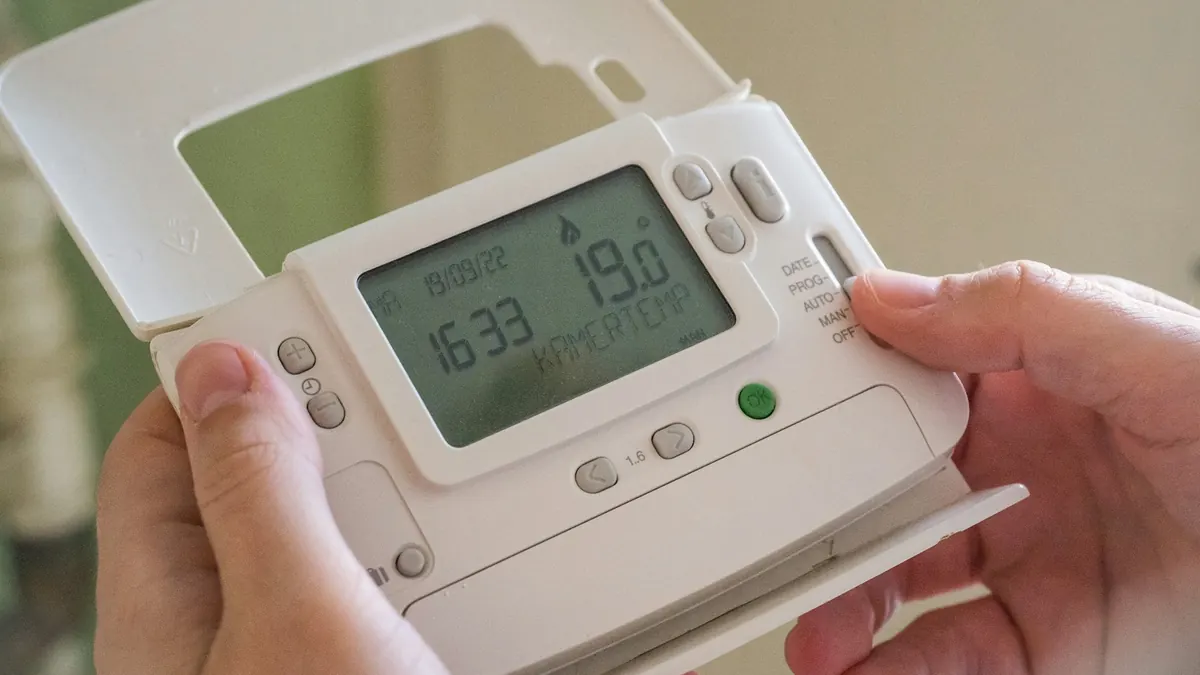
- Use your controls. Heat the rooms you use, when you use them, with a timer and thermostatic radiator valves.
- Bleed radiators that are cold at the top, so they heat properly.
- Close curtains at dusk and keep furniture away from radiators.
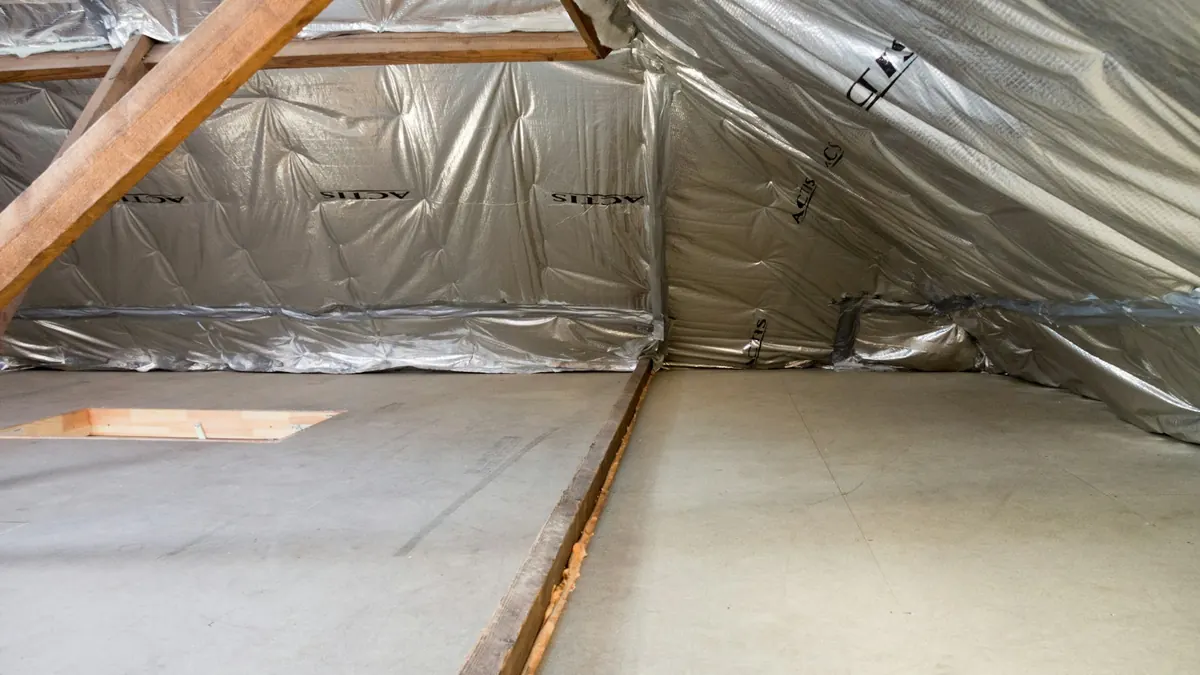
- Insulate the hot water cylinder if you have one: the Energy Saving Trust estimates a jacket saves about £45 a year.
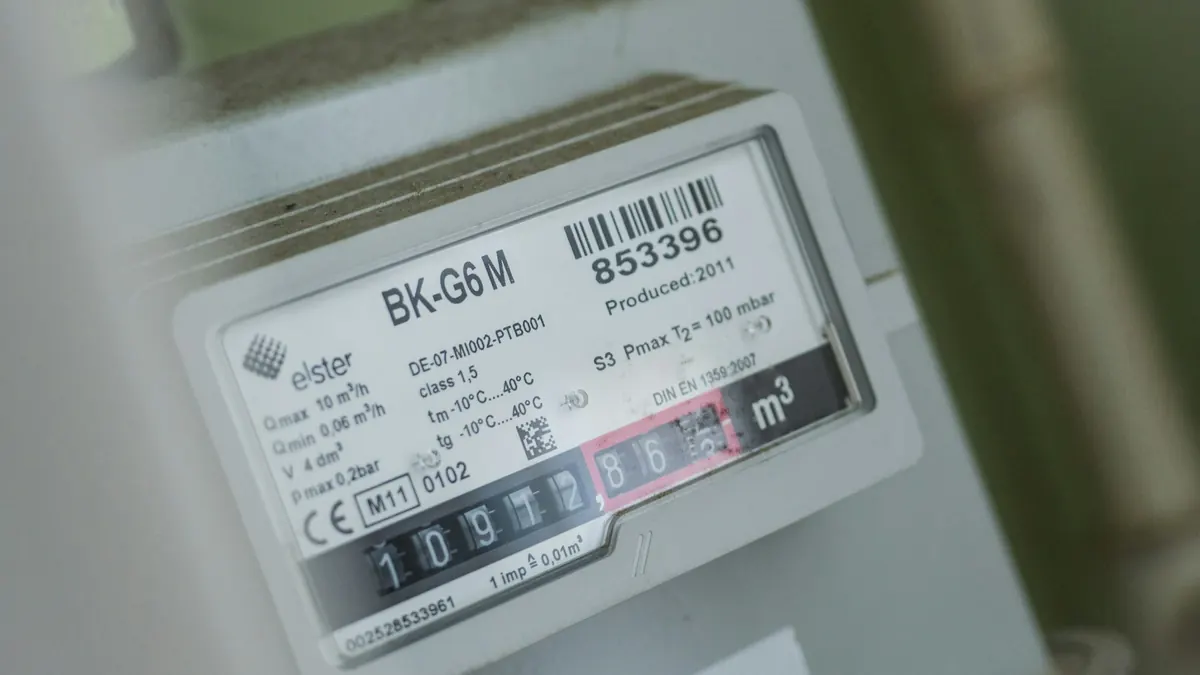
To see what your own gas use is worth: at the October 2026 price cap, every 1,000 kWh of gas you save is worth about £80 (1,000 × 7.97p), and every 1,000 kWh of electricity about £263 (1,000 × 26.32p).
Pay less per unit
- Compare fixed deals. Ofgem said fixed tariffs were available at £100 or more below the October cap (Ofgem). Our fixed vs variable guide shows how to compare.
- Use off-peak electricity if you have a smart meter and can shift washing, dishwashers or car charging to cheaper hours.
- Check your payment method. Ofgem says prepayment customers pay the lowest capped rates, about £45 a year less than Direct Debit on average.
- Submit meter readings so you are billed for what you use, not an estimate. Why bills jump.
Help you might be missing
- Warm Home Discount: £150 off your electricity bill for eligible households, usually automatic. GOV.UK says it reopens in October 2026 for winter 2026–27 (GOV.UK).
- Free upgrades on a low income: councils run the Warm Homes: Local Grant, which can fund insulation, heating and solar. See the Warm Homes Plan.
- Grants for bigger changes: £7,500 off a heat pump through the Boiler Upgrade Scheme.
Thinking beyond quick fixes? See whether a heat pump would be cheaper to run than your boiler.
Open the calculatorFrequently asked questions
What uses the most energy in a home?
For most homes with gas central heating, heating and hot water. That is why draught-proofing, controls and shorter showers are among the most effective changes.
How much does switching off standby save?
The Energy Saving Trust estimates about £45 a year in Great Britain.
Is it cheaper to leave the heating on low all day?
For a gas boiler, generally no: heating your home only when you need it uses less energy. Heat pumps are different and are designed to run steadily.
How much is 1,000 kWh of gas worth?
About £80 at the October–December 2026 price cap average of 7.97p per kWh.
Who gets the Warm Home Discount?
Eligible households, usually on certain benefits, get £150 off their electricity bill, mostly automatically. GOV.UK has the criteria for England and Wales, and Scotland’s rules differ.