Will a heat pump work in an old house?
The UK’s largest trial found no type or age of home that couldn’t have a heat pump. What older homes need, and the planning rules relaxed in May 2025.
Numbers checked against official sources on 7 October 2026
In 30 seconds
- Age alone doesn’t rule a home out. The UK’s largest heat pump trial put systems into Victorian terraces, pre-war semis and 1960s flats, and found no type or age of home that couldn’t have one.
- Older homes usually need more preparation: some bigger radiators, often a hot water cylinder, and ideally loft insulation and draught-proofing first.
- In England, planning rules for heat pumps were relaxed on 29 May 2025: the 1 metre boundary rule went, and bigger units are allowed.
- Listed buildings and some conservation areas need extra permission. Check with your council before you commit.
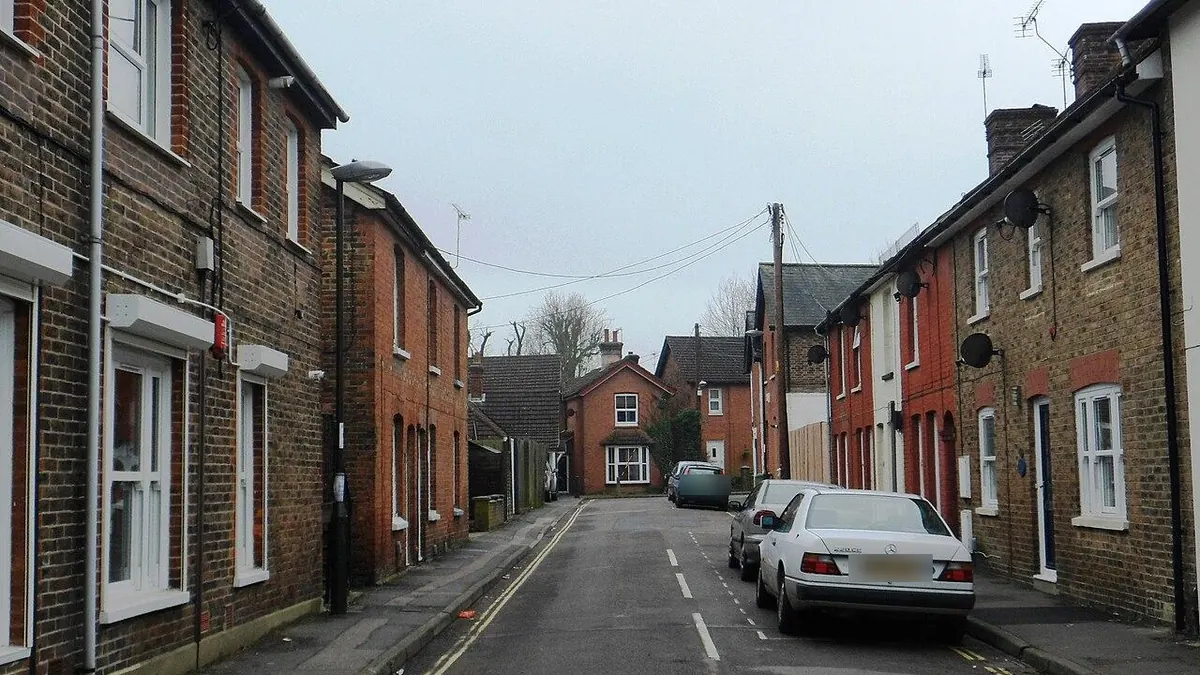
Britain has some of the oldest housing in Europe, and a lot of it was built long before anyone thought about insulation. That leads many owners of Victorian terraces and 1930s semis to assume a heat pump simply won’t cope. The evidence says otherwise, with one big condition: an older home needs a more careful design. Here is what the research found and what to check in your own house.
On this page
What the evidence says
The government-funded Electrification of Heat project installed 742 heat pumps across homes in South East Scotland, Newcastle and South East England between 2020 and 2021. The mix deliberately included Victorian mid-terraces, pre-war semi-detached houses and 1960s flats, and 163 of the homes were built before 1945.
The project’s conclusion was clear: it found no particular type or age of property that could not have a successful heat pump installation (Energy Systems Catapult). Later analysis of the same homes found that high-temperature heat pumps, which can run hotter for homes with less room to change radiators, were about as efficient as standard models (Energy Systems Catapult, 2023).
“Can have one” is not the same as “will be cheap to run”. How well a heat pump performs in an old house depends on how much heat the house loses and how the system is designed for it.
The real question: how much heat does your home lose?
A heat pump is sized to replace the heat your home loses on a cold day. Older homes typically lose more through:
- Solid walls, common before the 1930s, which have no cavity to fill;
- Single glazing and gaps around old sash windows and doors;
- Uninsulated lofts and suspended timber floors with draughts underneath;
- High ceilings, which mean more air to heat.
A higher heat loss doesn’t make a heat pump impossible, but it means a larger unit, larger radiators and higher running costs. That is why a room-by-room heat loss calculation is the first thing a good installer does. It tells you, in watts per room, what the system must deliver, and it shows where cheap fixes would make the biggest difference.
Upgrades that make the biggest difference
You don’t need to turn a Victorian house into a new build. Start with the cheapest measures, which also shrink the size, and cost, of the heat pump you need:
| Measure | Why it helps | Typical disruption |
|---|---|---|
| Draught-proofing doors, windows, loft hatch, floorboards | Stops warm air escaping; cheap and quick | Low |
| Loft insulation topped up | A big share of heat goes through the roof | Low |
| Heating controls and thermostatic radiator valves | Lets the heat pump run steadily and room by room | Low |
| Larger or extra radiators in the coldest rooms | Lets the heat pump run at a lower, more efficient temperature | Medium |
| Floor insulation (suspended timber floors) | Cuts draughts and cold floors | Medium |
| Solid wall insulation, internal or external | Large cut in heat loss, but costly | High |
Most of these measures are installed VAT-free until 31 March 2027. See what changes after that date.
Old houses need to breathe. Solid-walled buildings often rely on ventilation and breathable materials to stay dry. Sealing them up or using the wrong insulation can cause damp. For solid wall insulation in particular, use an installer experienced with older buildings and keep ventilation in mind.
Space: the outdoor unit and the hot water cylinder
Outside, an air source heat pump needs a spot with good airflow, usually on a wall bracket or a small base in the garden or a side passage. Terraced houses with only a small back yard can usually find a place, but it is worth checking early.
Inside, most heat pumps heat a hot water cylinder. If you currently have a combi boiler, you will need room for one, typically in an airing cupboard, a loft or a corner of a utility room. Ask installers about compact cylinders if space is tight. More on cylinders and the alternatives.
Planning permission, listed buildings and conservation areas
In England, most air source heat pumps on houses are “permitted development”, meaning no planning application is needed if the rules are met. Those rules were relaxed from 29 May 2025 (Cooling Post):
- the old requirement to keep the unit at least 1 metre from the property boundary was removed;
- the maximum size of the outdoor unit rose from 0.6 to 1.5 cubic metres;
- detached houses can now have up to two units;
- installations must meet the updated noise standard, MCS 020(a).
Scotland, Wales and Northern Ireland have their own rules. And if your home is listed, or in a conservation area or other protected area, extra consent may be needed. GOV.UK advises confirming planning requirements with your local authority before you go ahead.
Will it cost more to run than your boiler? Use your real gas usage: older homes usually use more.
Open the calculatorA checklist for owners of older homes
- Do the cheap fabric fixes first: draught-proofing and loft insulation.
- Get a room-by-room heat loss calculation, not a rule-of-thumb size.
- Ask each installer which radiators they would change and why.
- Ask about the design flow temperature and expected efficiency.
- Decide where the cylinder and outdoor unit will go.
- Check listed building or conservation area rules with your council.
- Claim the £7,500 Boiler Upgrade Scheme grant (£9,000 for oil and LPG homes until March 2027).
Frequently asked questions
Can you put a heat pump in a Victorian house?
Yes. The Electrification of Heat trial installed heat pumps in Victorian terraces and found no type or age of home that couldn’t have a successful installation. Expect more preparation, such as some larger radiators and insulation.
Do I have to insulate before getting a heat pump?
It isn’t always required for the grant, but insulation and draught-proofing usually mean a smaller, cheaper heat pump and lower running costs. Ask your installer what difference it would make to the size they recommend.
Do I need to replace all my radiators?
Rarely all of them. A heat loss survey shows which rooms need bigger radiators to stay warm at a lower water temperature.
Do I need planning permission for a heat pump in England?
Usually not, if the installation meets permitted development rules, which were relaxed on 29 May 2025. Listed buildings and some protected areas need extra consent, so check with your council.
What is a high-temperature heat pump?
A model that can heat water to higher temperatures, closer to a gas boiler, which can mean fewer radiator changes. In the Electrification of Heat trial these were about as efficient as standard heat pumps.
Sources
- Energy Systems Catapult: All housing types are suitable for heat pumps (16 December 2021)
- Energy Systems Catapult: Heat pumps shown to be three times more efficient than gas boilers (16 March 2023)
- Cooling Post: New planning rules boost heat pump access (England, 29 May 2025)
- GOV.UK: Find a heat pump installer